
What You Are Really Paying For in Therapy

Updated: Feb 24
Understanding the cost, the boundaries, and the value behind the session
Therapy is often described as expensive, and for many people it genuinely is. Financial barriers are one of the biggest reasons people delay or avoid seeking support. The cost can feel frustrating, confusing, or even unfair, especially when you are already struggling.
It is not uncommon to hear thoughts like:
“I am paying you, so you have to care.”
This reaction is understandable. Therapy involves vulnerability, time, and money. When finances are stretched, it is natural to question what you are receiving in return.
But therapy fees are not simply paying for an hour of conversation. Understanding what you are actually paying for can change how therapy feels and help clarify why professional support exists in a very different space from friendship.
Paying for Therapy: The financial reality that stops many people seeking therapy
Access to therapy is not equal. Waiting lists, private fees, and availability all create barriers. Many people weigh the cost against rent, food, or bills and understandably put therapy aside.
This does not mean therapy lacks value. It means mental health care systems are imperfect and often inaccessible. Acknowledging this reality is important. Financial stress should never be dismissed as irrelevant.
Still, understanding what those costs represent helps contextualise the investment.
You are not paying someone to care
Therapists do care. They would not spend years training, studying, and practising if they did not. The fee is not payment for compassion. It is payment for professional skill, responsibility, and structure.
Care alone is not therapy. Friends care. Family care. Therapy involves something different. It is a protected professional environment designed specifically for psychological support.
The session fee supports that environment.
The training behind the therapist

Becoming a therapist is not a short or easy path. It involves years of academic study, supervised practice, and ongoing professional development.
Training includes learning psychological theory, ethical responsibility, risk management, communication techniques, and emotional regulation skills. Therapists also undergo their own therapy as part of training to ensure they can support others safely.
Beyond initial training, therapists continue education throughout their careers. They attend workshops, supervision, and accreditation processes. These all require time and financial investment.
You are not paying only for the hour you see them. You are benefiting from years of accumulated learning and ongoing development.
The invisible work outside the session
A therapy session is only the visible portion of the work. Therapists prepare, reflect, document, and review outside of session time.
They maintain professional insurance, pay licensing costs, and engage in supervision to ensure ethical and safe practice.
This structure protects you and them. It ensures accountability, confidentiality, and professional responsibility that informal conversations cannot provide.
Why therapy is not the same as talking to friends

Friends are invaluable. Emotional connection matters deeply. But friendship and therapy serve different roles.
Friendships are mutual. Both people give and receive. Emotional labour flows both ways. Therapy is focused entirely on you.
Therapists maintain boundaries so the space remains centred on your wellbeing. They do not bring their personal struggles into the session. They do not rely on you emotionally. This creates safety.
Professional boundaries allow difficult topics to be explored without fear of damaging the relationship. Listening deeply to distress, trauma, and vulnerability requires emotional skill. Therapists are trained to hold space without becoming overwhelmed or reactive.
This emotional containment is part of what you are paying for. It ensures the session remains stable and supportive regardless of what is shared.
This level of emotional responsibility is different from everyday conversation.
The importance of structure and routine
The same time, same place, and same day each week may seem rigid, but structure has psychological value.
Routine builds trust and predictability. It signals commitment to self care and creates a stable environment for emotional work. This consistency helps the nervous system feel secure, and it allows your mind to make the connection that this is important.
Therapy becomes a dedicated space rather than something squeezed into spare time; it lets you know, this is your time, your space, it shouldn't be ignored or devalued.
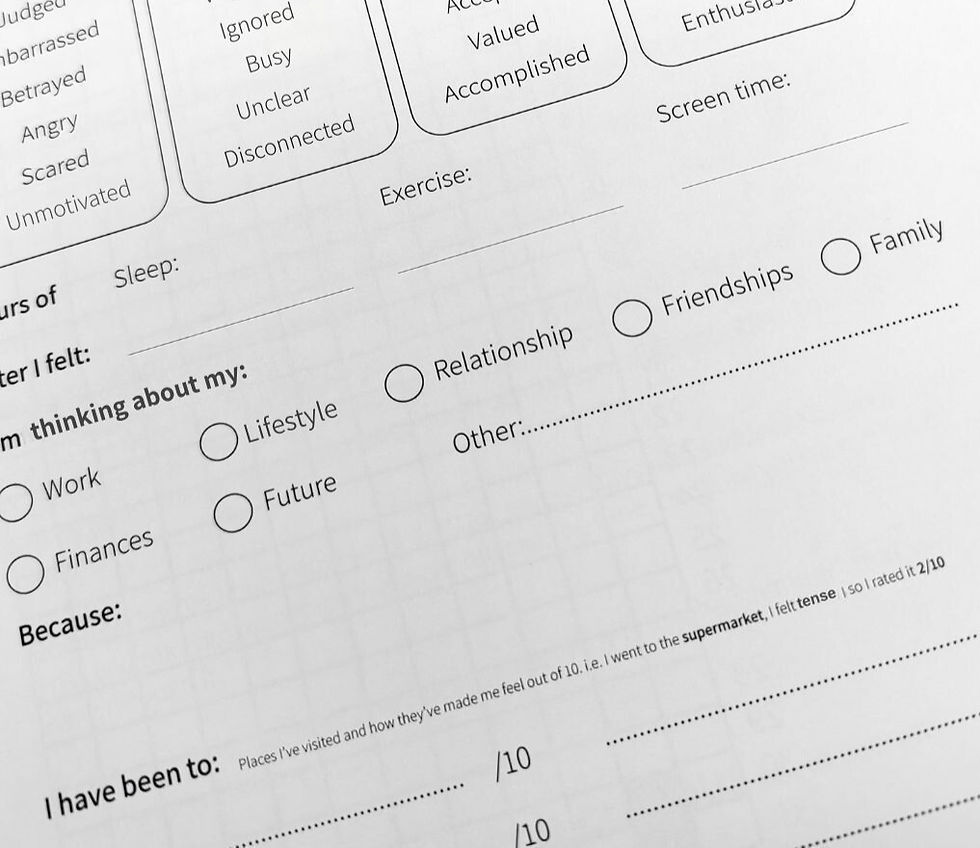
Journaling between sessions can deepen this structure. Writing reflections or emotional reactions helps maintain continuity.
The Discovery Journal is used by many people and is often recommended by therapists as it can act as a bridge between sessions, capturing thoughts, emotional shifts, and questions that arise. Bringing these reflections into therapy strengthens communication and ensures important insights are not lost. Since it's a logical tool rather than an emotional one, a therapist can safely interrupt what has been documented, moving the conversation along safely.
Reframing the cost
Seeing therapy as an investment rather than a transaction can change perspective. You are investing in mental clarity, emotional resilience, and personal growth.
This does not remove financial strain, but it clarifies value.
Support should be accessible to everyone. Until systems improve, understanding the purpose behind the cost helps navigate the decision with more clarity.
Final thoughts
Therapy fees are not payment for kindness. They reflect training, responsibility, emotional skill, and protected space.
Therapists choose this work because they care.The structure exists so that care can be delivered safely and effectively.
Understanding this difference can make therapy feel less transactional and more collaborative.


Comments