
What Life Actually Feels Like After Living With Anxiety

When you have been living with anxiety for a long time, calm can feel strangely unfamiliar, alien even. In some cases it might even make you anxious...bizarre I know.
Not because you do not want it, but because your body has spent so long operating in survival mode that slowing down can almost feel uncomfortable at first.
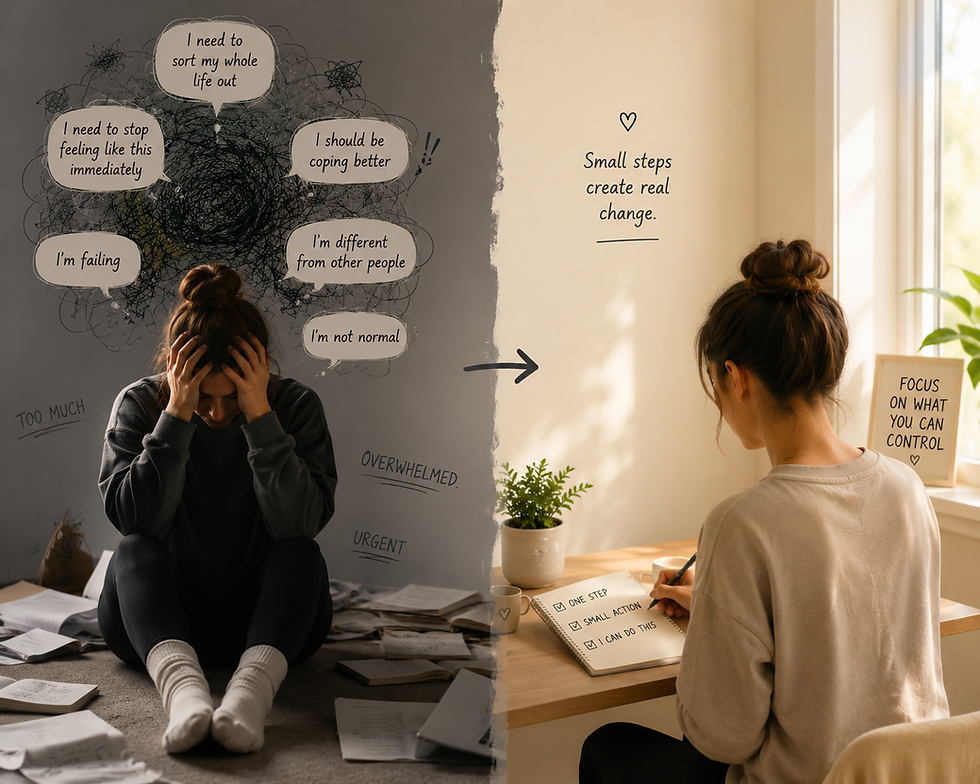
Many people imagine healing as a dramatic transformation where anxiety disappears completely overnight. But in reality, recovery is often slower than that.
It is small moments.
Maybe it's a slightly calmer morning. An easier nights sleep. A moment where your chest does not feel tight for the first time all day.
When you have spent years living with anxiety, those moments matter more than most people realise.
Anxiety Changes Your Baseline

One of the reasons calm can feel unfamiliar is because anxiety changes what your nervous system becomes used to. When stress and overthinking happen repeatedly, your body adapts to that heightened state. That becomes your normal.
Hypervigilance becomes normal. Mental noise becomes expected and restlessness becomes familiar.
Eventually, calm can feel almost suspicious because your brain is so used to scanning for problems.
This is why many anxious people struggle to fully relax even when things are objectively okay.
Their nervous system has learned to expect tension. In some situations you may even find yourself seeking it out, anxiety becomes your comfort zone.
Living With Anxiety Is Exhausting
People often underestimate how physically draining anxiety is.
Even if you are not visibly panicking, your body may still be:
carrying tension constantly
overthinking in the background
monitoring for problems
preparing for worst case scenarios
putting energy into hiding physical symptoms
That level of internal activity uses enormous amounts of energy.
This is why anxiety often comes with fatigue.
You are not “lazy” or failing to cope. Your nervous system is simply exhausted from being switched on for too long.
What Calm Actually Feels Like
One of the most interesting things people notice during recovery is that calm does not always feel exciting.
Often, it feels:
quieter
slower
softer
less urgent
At first, this can feel unfamiliar.
Some people even mistake calm for boredom because their nervous system has become so accustomed to intensity.
But over time, calm begins feeling safer.
You realise:
not every thought needs attention
not every sensation means danger
your body does not always need to stay prepared
This shift changes everything.
Healing Is Often Less Dramatic Than People Expect
Social media often presents healing as a huge breakthrough moment.
But in reality, recovery from anxiety is usually gradual.
It might look like:
replying to messages more easily
falling asleep without
overthinking
leaving the house with less dread
noticing your body feels lighter
Small changes matter because they show your nervous system is beginning to trust safety again.
These changes aren't always easy to spot. The Discovery Journal can help you find them. Designed to help manage and recover from anxiety, this journal breaks down your day so you are able to se any triggers within your interactions, environments and moods.
Why Anxiety Makes Peace Feel Difficult
Anxiety trains your brain to focus on threat.
Even during good moments, your mind may still search for:
what could go wrong
what you forgot
what might happen next
This constant scanning makes it difficult to fully experience peace.
Your body stays slightly guarded, even during moments that should feel relaxing.
Learning calm is partly about teaching your nervous system that it does not need to constantly prepare for danger.
A lot of anxious people become trapped in cycles of constant stimulation.
Noise. Screens. Work. Information. Pressure.
Partly because modern life encourages it, but also because slowing down often means becoming aware of thoughts and emotions that have been ignored.
This is why intentional quiet can initially feel uncomfortable.
Creating moments where your nervous system can pause allows your brain to process instead of constantly react.
Why Writing Things Down Helps
One of the reasons anxious minds struggle to feel calm is because thoughts stay trapped internally.
Your brain keeps replaying them because it feels like they have not been fully processed.
Writing changes this.
Journaling helps:
slow thoughts down
reduce mental clutter
process emotions more clearly
create emotional release
Even a few minutes of writing can create noticeable mental space.

If you've never journaled before, or have "tried" journaling with a blank notebook, you may need something more structured. Using a structured journal can make this process easier, especially when your thoughts feel overwhelming or difficult to organise. Guided prompts help reduce the pressure of knowing what to write while still allowing emotional release.
You Do Not Need to Earn Rest
One of the biggest struggles anxious people face is guilt around slowing down.
They often feel they must:
be productive first
finish everything
justify rest somehow
But rest is not something you earn after exhaustion.
It is something your nervous system requires regularly in order to function properly.
Without it, overwhelm continues building in the background.
Learning What Actually Helps You
Part of healing is becoming more aware of what affects your nervous system positively and negatively.
You may begin noticing:
which environments overstimulate you
how sleep affects anxiety
how mental clutter builds
what genuinely helps you feel calmer
This awareness creates a stronger sense of self trust.

Tracking these patterns through journaling can help you recognise progress and identify habits that genuinely support your wellbeing over time.
Calm Does Not Mean Never Feeling Anxious Again
Healing is not the complete absence of anxiety.
Everyone experiences stress, uncertainty, and difficult emotions.
The difference is that anxiety no longer controls your entire internal world.
Many people dismiss small improvements because they are waiting for huge change.
But recovery is built from small moments repeated consistently.


Comments